

Pearl Guide
Everything You Need to Know About Pearls
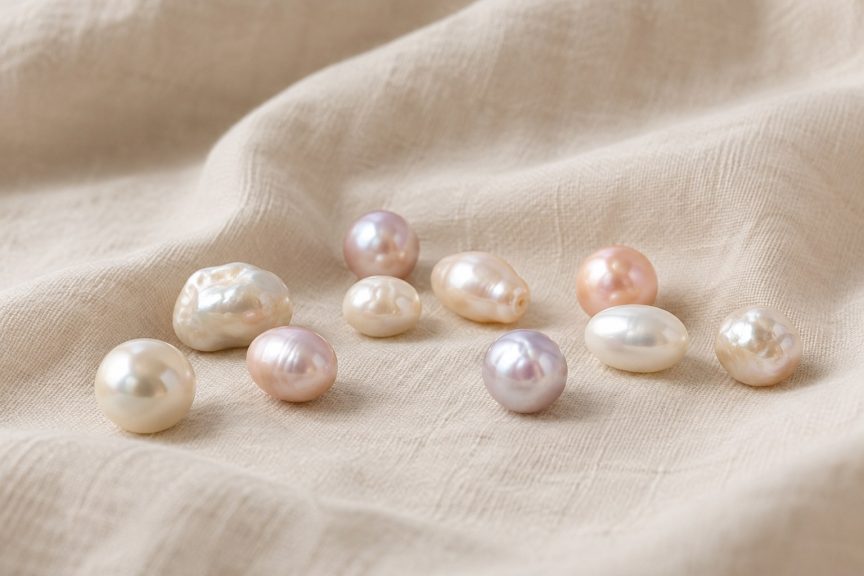
Pearls are shaped by a living process, so their colour, surface, lustre and outline can vary in subtle and sometimes surprising ways. This guide brings together clear, practical articles on how pearls form, how different types compare, what their shapes and sizes mean, and how to understand what you are buying.
Start with the basics or follow the question that brought you here.
Understanding Pearls
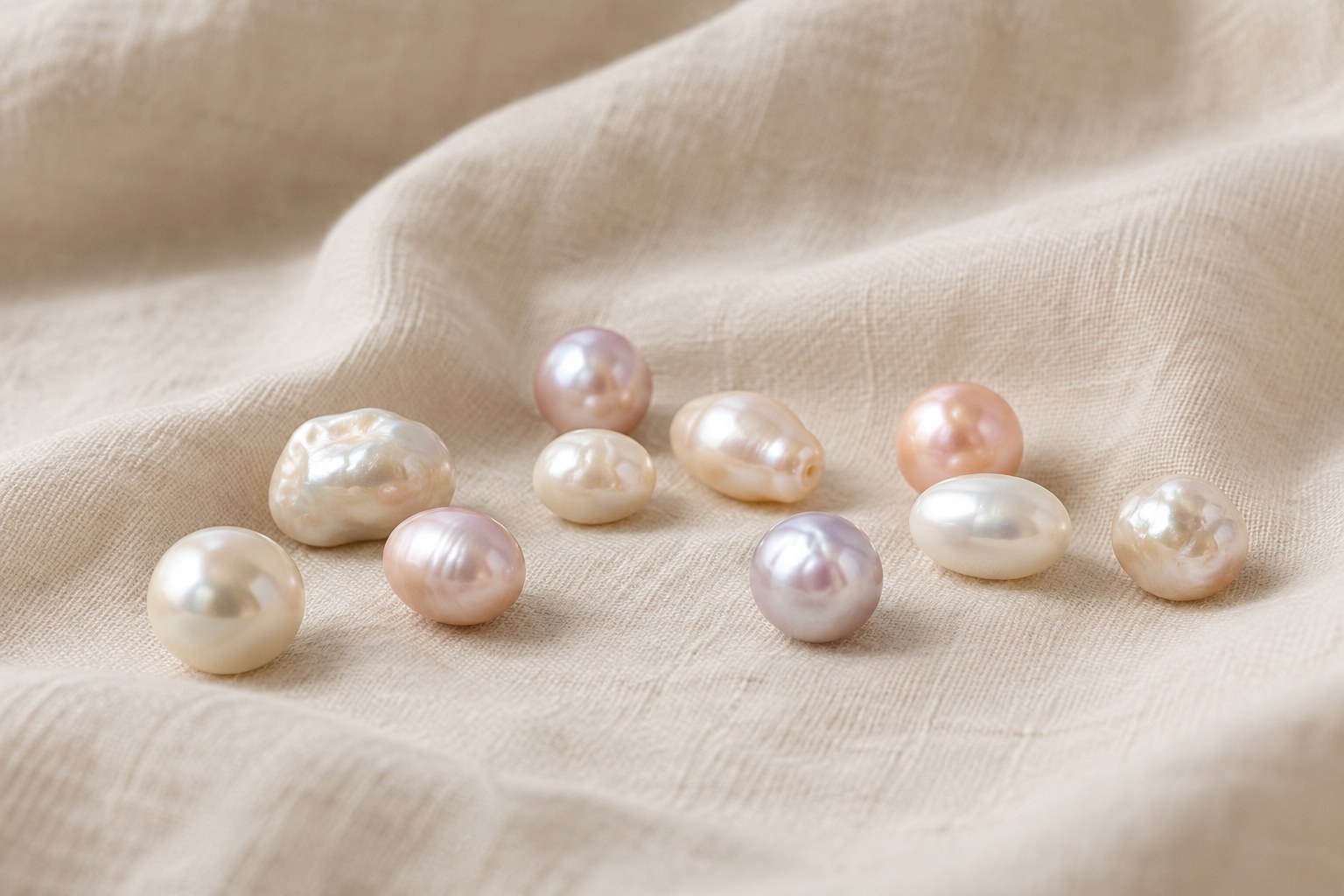
What Are Freshwater Pearls?
Learn how cultured freshwater pearls form, where they are grown, the colours and shapes they can show, and what to look for in a finished piece.
Read the guide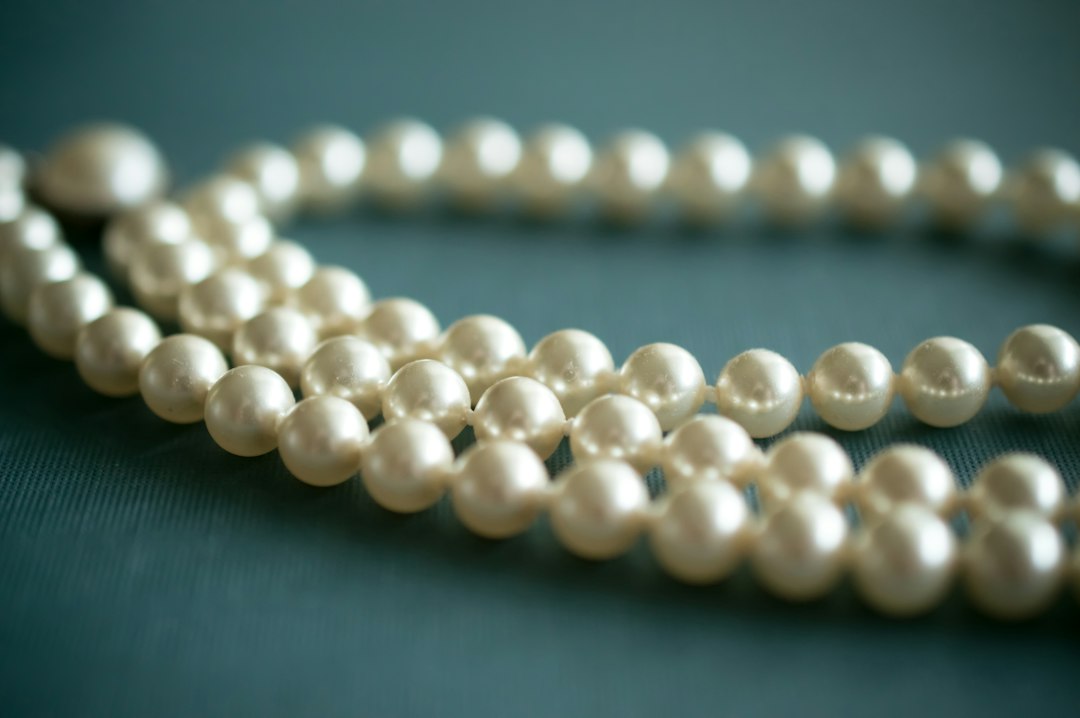
Are Freshwater Pearls Real?
Yes—cultured freshwater pearls are real pearls. This article explains the important differences between cultured, natural and imitation pearls, and the wording buyers should expect to see.
Read the guide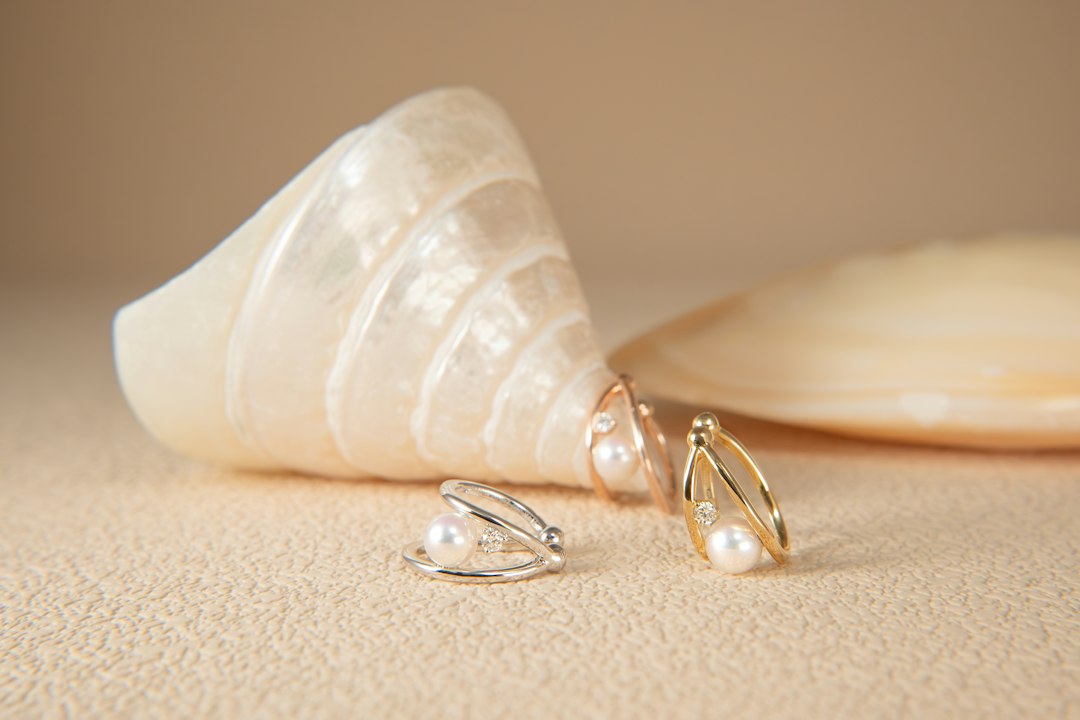
Freshwater Pearls vs Saltwater Pearls
Compare growing environments, cultivation methods, common colours, sizes, shapes, availability and price without assuming that one pearl type is always better than another.
Read the guidePearl Character & Shape
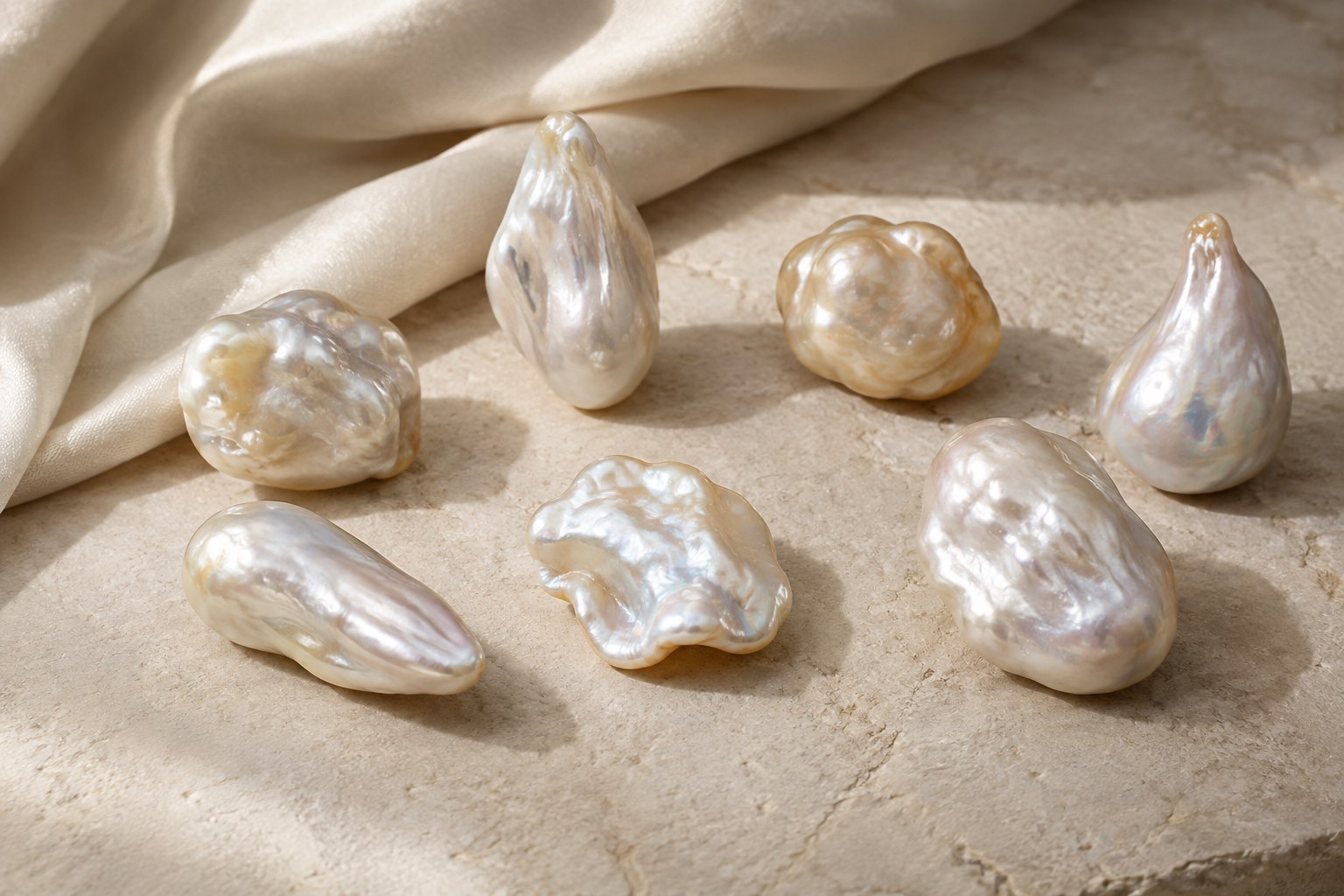
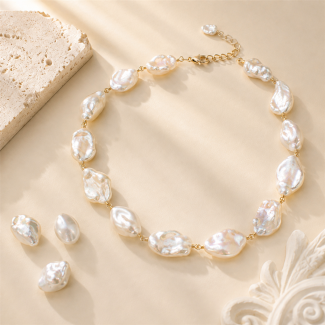
What Are Baroque Pearls?
Baroque pearls are known for their irregular, non-spherical forms. Discover how those shapes develop, how they are measured and evaluated, and what separates an appealing growth feature from damage.
Read the guide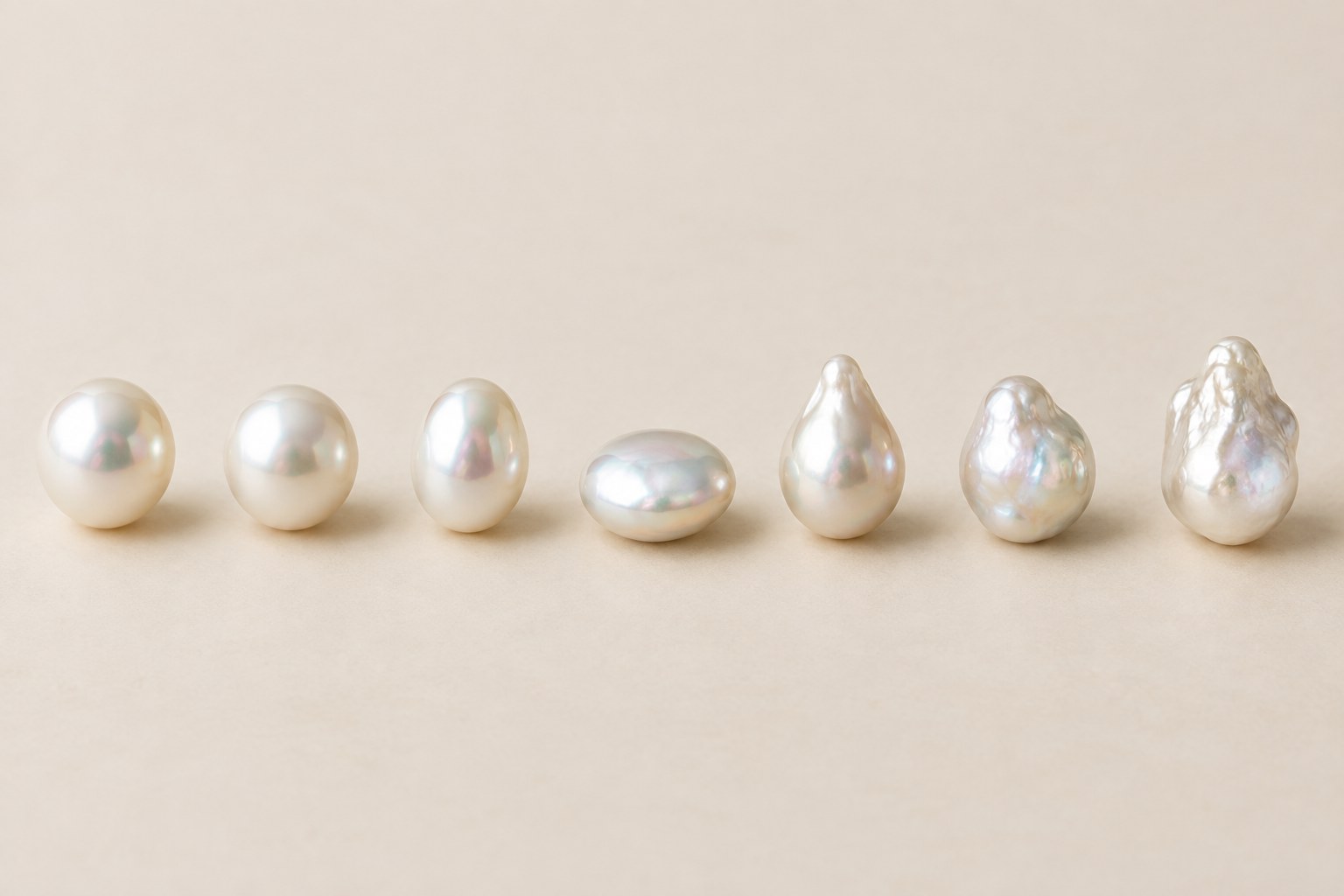
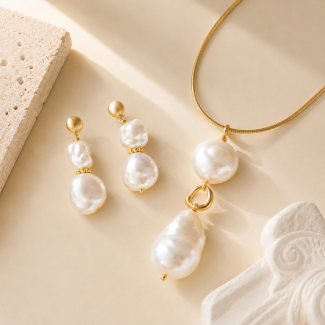
Pearl Shapes Explained
Round, oval, button, drop, circled, semi-baroque and baroque pearls each create a different line in jewelry. Use this guide to understand the main shape families and common trade terms.
Read the guide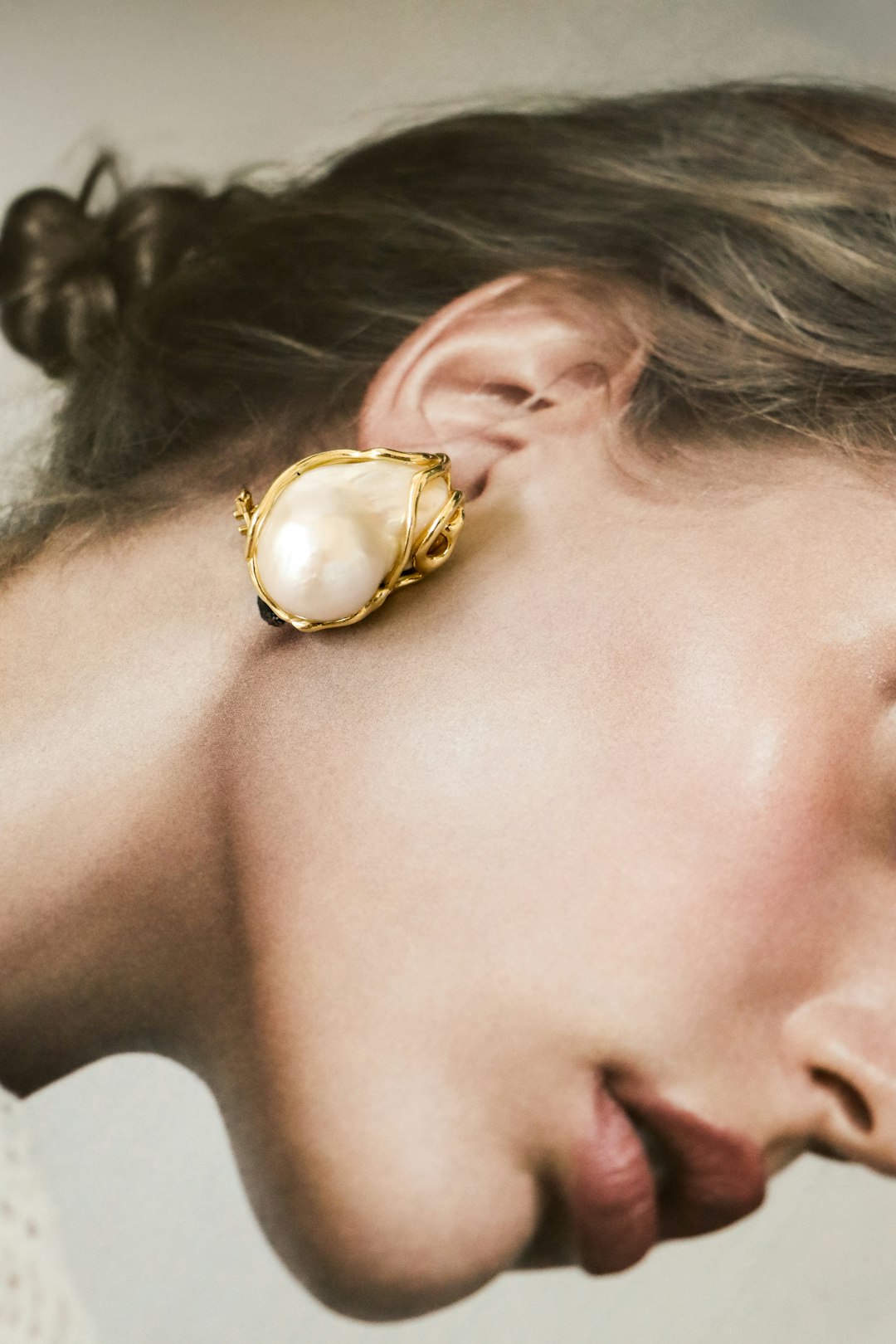
Why Are No Two Pearls Exactly the Same?
Shape, surface, colour and lustre develop layer by layer. Learn why even closely matched pearls retain small differences—and how careful selection creates balance in a finished piece.
Read the guideChoosing & Understanding Pearls
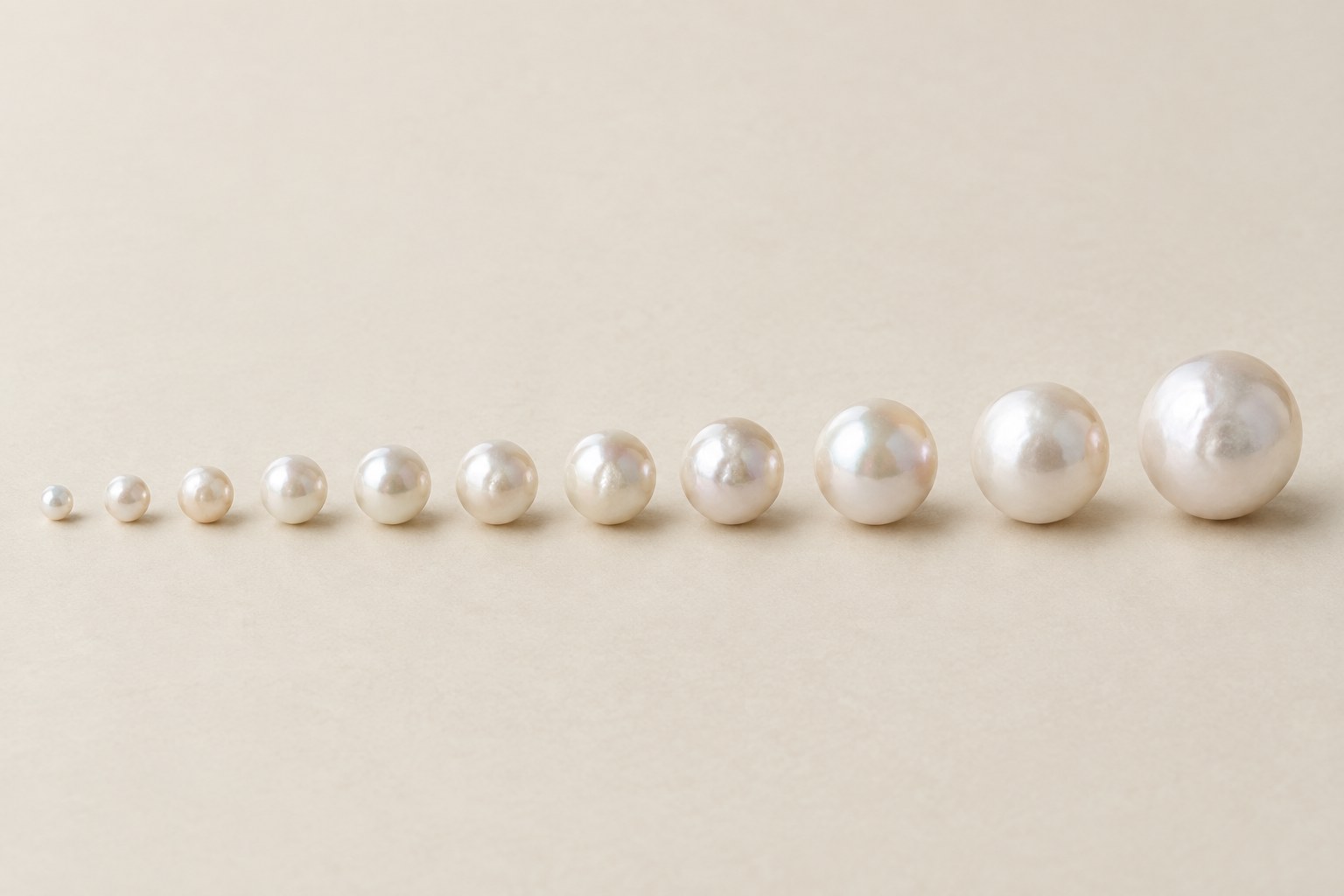
Pearl Size Guide
A difference of one or two millimetres can change the scale of earrings, necklaces, bracelets and rings. This practical guide shows how pearl measurements translate into visual presence.
Read the guide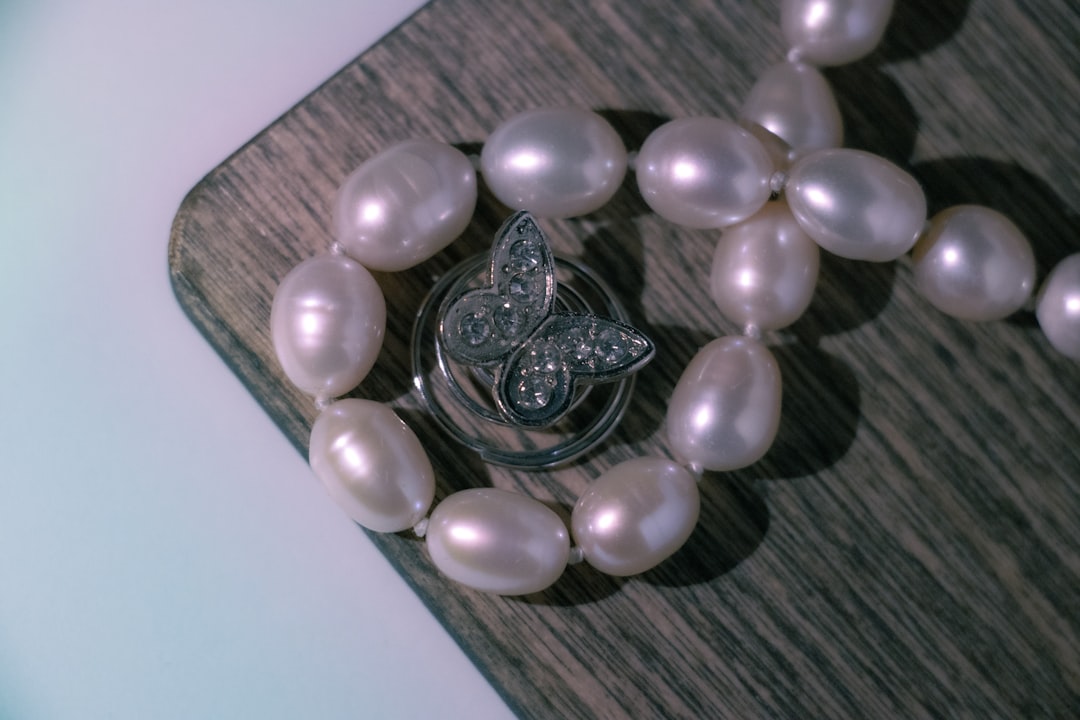
How to Tell If Pearls Are Real
Surface texture, drill holes and matching can offer clues, but no single home test provides certainty. Learn which checks are useful, which tests to avoid and when professional identification matters.
Read the guideLatest Pearl Guides
A pearl does not need to be perfectly round or completely free of surface features to be beautiful. Understanding the material makes it easier to recognise good lustre, thoughtful matching, sound construction and a design that suits the pearl rather than hiding it.
For cleaning, storage and everyday wear, continue to our Jewelry Care guide.